
Complete Guide to Kitten Training
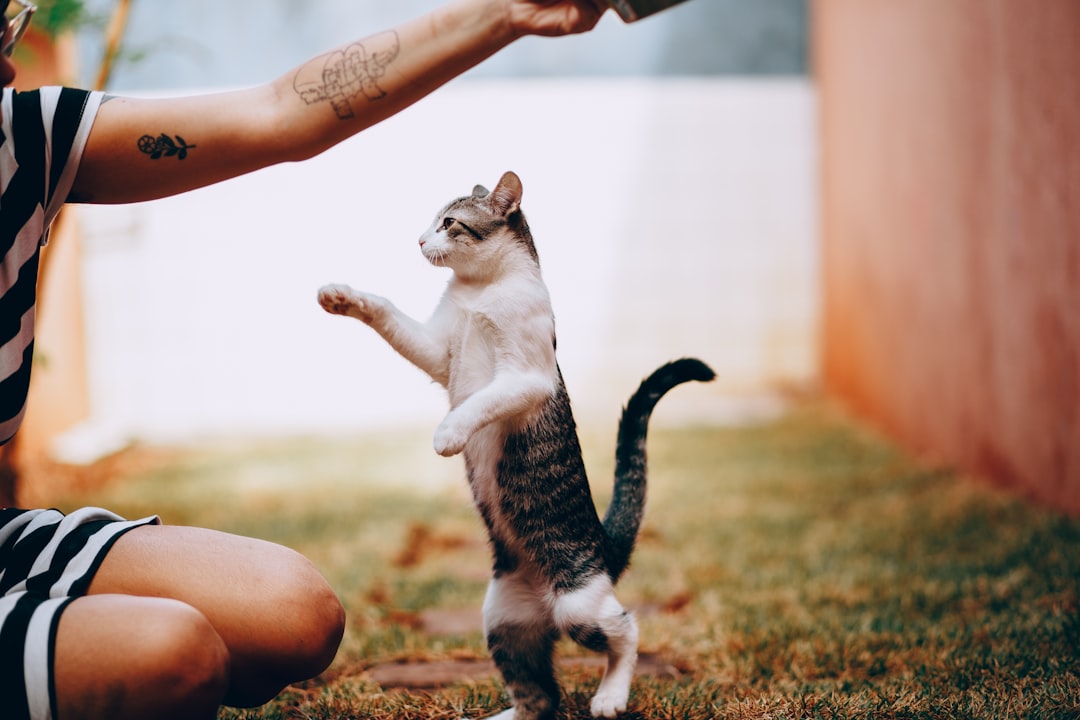
Key Takeaways
- Kitten training is essential for a well-behaved pet.
- Training can strengthen the bond between owner and kitten.
- Start with basic commands like sit and stay.
- Consistency and patience are key to successful training.
Complete Guide to Kitten Training
Ignoring the importance of kitten training can lead to a host of behavioral issues, such as destructive scratching or inappropriate elimination. When training is overlooked, these behaviors can become ingrained, making them harder to correct later on. Addressing kitten training early is crucial to prevent these problems and ensure a harmonious home environment.
Introduction to Kitten Training
Kitten training is essential for a well-behaved pet. Without it, kittens may develop habits that are difficult to break, such as biting or scratching furniture. Training provides structure and helps kittens understand what is expected of them in their new home. This early intervention not only prevents unwanted behaviors but also sets the foundation for a lifetime of good habits.
Benefits of Training Your Kitten
Training can strengthen the bond between owner and kitten. Through consistent interaction and communication, trust is built, making your kitten more responsive and affectionate. Additionally, a trained kitten is more likely to be socialized and comfortable in various environments, reducing stress for both the pet and the owner.
Basic Training Techniques
Start with basic commands like sit and stay. These foundational commands are the building blocks for more complex behaviors. To teach these commands:
- Sit: Hold a treat close to your kitten's nose, then move your hand up, allowing their head to follow the treat and causing their bottom to lower. Once they sit, reward them with the treat and praise.
- Stay: Once your kitten masters sitting, introduce the stay command. Ask them to sit, then open your palm in front of them and say "stay." Take a step back, and if they remain seated, reward them.
Consistency and patience are key to successful training. Regular, short training sessions are more effective than infrequent, lengthy ones. Always use positive reinforcement to encourage desired behaviors.
Common Challenges and Solutions
Training a kitten comes with its own set of challenges. One common issue is the kitten's short attention span, which can make training sessions difficult. To combat this, keep sessions brief and engaging. Another challenge is dealing with stubborn behaviors. If a kitten refuses to respond to a command, reassess your approach, ensuring that the environment is free of distractions and that the rewards are motivating.
Resources for Further Learning
For those looking to delve deeper into kitten training, numerous resources are available. Books, online courses, and local training classes can provide additional strategies and support. Engaging with a community of fellow kitten owners can also offer valuable insights and encouragement.
By understanding the fundamentals of kitten training, you can make informed decisions that lead to a well-behaved and happy pet. Implementing basic commands and addressing challenges with patience ensures a rewarding experience for both you and your kitten.
Frequently Asked Questions
Why is kitten training important?
Kitten training is essential for preventing behavioral problems and ensuring a well-behaved pet.
What are some basic commands to teach a kitten?
Start with commands like sit and stay to build a foundation for further training.
How can I deal with training challenges?
Keep training sessions short and engaging, and reassess your approach as needed.
Related Articles
- Complete Guide to Kitten Training Extra 16
- Why Is My Kitten Not Responding to Training?
- What Age Should You Start Training Your Kitten?
- Understanding Kitten Training Challenges
- Teaching Your Kitten Basic Commands
- Risks of Inadequate Kitten Training
- Kitten Training vs. Puppy Training: Key Differences
- Kitten Training Techniques: Positive vs. Negative Reinforcement
- Kitten Training Mistakes to Avoid
- Kitten Training for Good Behavior
- Indoor vs. Outdoor Kitten Training
- How to Litter Train Your Kitten
- How Long Does Kitten Training Take?
- Can Older Cats Be Trained Like Kittens?
- Cat Separation Anxiety: Signs, Causes, and Treatment Solutions
Reviewed by Melissa Schalles, LVT