Loving Paws Hub
Core Article

Dog Training

How to teach your dog anything using 4 simple, science-backed steps

By Dori Fussmann, DVMPublished January 12, 2024Updated March 1, 2024
Dog Training

Before starting a training regimen, ensure your pet has a clean bill of health. Many behavioral issues stem from underlying medical conditions — always consult your veterinarian first.

Here's a trainer secret: whether you're teaching a simple sit or a complex trick, every behavior is trained the same way. Once you understand this four-step process, you have the tools to teach your dog anything — and build a relationship grounded in clear communication and trust.

Step 1: Define the Behavior You Want

You cannot train the absence of something. Telling yourself 'I want my dog to stop jumping' is not a training goal — it's a complaint. You need to define a specific, observable behavior your dog can perform instead.

Frame every goal as an action, not a prohibition. 'I want my dog to sit when greeting visitors' is trainable. 'I want my dog to stop jumping' is not.

  • I want my dog to sit when greeting people.
  • I want my dog to walk within one foot of my left side on a loose leash.
  • I want my dog to go to their mat when guests arrive.
  • I want my dog to spin in a full circle to their right on cue.

No matter how complex the final behavior, you approach it the same way — by breaking it into small steps and chaining them together as your dog succeeds.

Step 2: Make the Behavior Happen

A dog can only be reinforced for a behavior if it happens first. There are three main ways to make that happen: luring, shaping, and capturing. Setting up the environment strategically helps with all three.

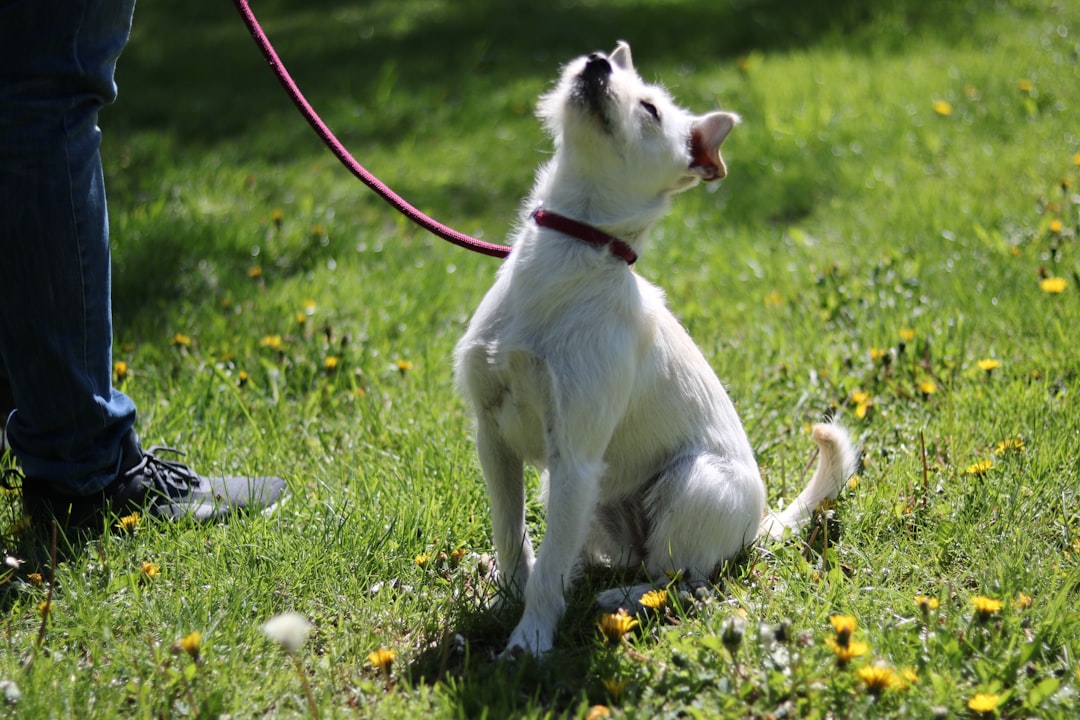
  • Luring: Guide your dog into position using a treat held close to their nose. The dog follows the food, which moves their body into place. Move slowly and keep the lure close — moving too fast or too high causes confusion.
  • Shaping: Break the behavior into tiny steps and reward each small approximation toward the final goal. Use a marker — a clicker or a crisp verbal 'yes' — to pinpoint exactly what earned the reward.
  • Capturing: Simply wait for your dog to offer the behavior naturally, then immediately mark and reward it. Yawning, stretching, and lying down are commonly captured behaviors.

Environmental setup is often overlooked but incredibly effective. A long hallway helps with heel work. A baby gate manages greetings. A circle of exercise pen panels helps shape a spin. Stack the environment in your favor before you even begin.

Step 3: Mark and Reward the Behavior

The moment your dog does what you want, mark it — immediately. A marker communicates 'that exact thing you just did earned a reward.' The clicker is the gold standard, but a crisp verbal 'yes' works well too. Timing is everything: you have approximately half a second to mark the behavior before the connection is lost.

The reward must follow the marker within a few seconds. The marker tells your dog exactly what they did right. The reward tells them it was worth doing again.

Rewards should be meaningful to your dog. High-value treats — real meat, cheese, or training treats — work best for new behaviors. As the behavior becomes reliable, you can fade to lower-value rewards. Play, praise, and life rewards (like being allowed to sniff a bush) also count.

Step 4: Repeat, Add a Cue, and Generalize

Once your dog is consistently offering the behavior in training sessions, it's time to add a verbal cue or hand signal. Say the cue once, clearly, just before the behavior happens. With enough repetitions, your dog learns that the cue predicts the opportunity to earn a reward.

  • Practice in short sessions of 3–5 minutes. Dogs learn better with frequent, brief repetitions than long marathon sessions.
  • Increase difficulty gradually — only raise one criterion at a time: duration, distance, or distraction.
  • Generalize to new locations. A dog that sits reliably in your kitchen may not yet understand 'sit' at the park. Train in many different environments.
  • Proof against distractions slowly. Start with low-level distractions and work up. Setting your dog up to fail undermines their confidence and your progress.

A Note on Behavior Problems

These four steps are designed to teach new obedience behaviors — not to address fear, anxiety, reactivity, or aggression. If your dog is struggling with these more complex issues, no amount of obedience training alone will resolve them. Work with a certified dog trainer or veterinary behaviorist for a personalized behavior modification plan.

Loving Paws Hub focuses exclusively on positive reinforcement-based training. Punishment-based methods — including physical corrections, leash jerks, and aversive tools — are generally discouraged by modern veterinary and animal behavior standards, as they can damage trust and increase the risk of fear and aggression.

The most important thing to remember is that training is communication — and every dog is capable of learning when taught with clarity, consistency, and kindness. Once you understand this four-step process, the only limit on what you can teach your dog is your own creativity.

Reviewed and approved by a licensed veterinarian

Dog Training Articles

Kitten Training vs. Puppy Training: Key Differences

Kitten Training vs. Puppy Training: Key Differences

Why is Consistency Important in Puppy Training?

Why is Consistency Important in Puppy Training?

What Age Should You Start Training Your Puppy?

What Age Should You Start Training Your Puppy?

Can You Train a Puppy Yourself or Should You Hire a Professional?

Can You Train a Puppy Yourself or Should You Hire a Professional?

How to Teach Your Puppy Basic Commands

How to Teach Your Puppy Basic Commands

Risks of Inadequate Puppy Training

Risks of Inadequate Puppy Training

Puppy Training vs. Adult Dog Training: Key Differences

Puppy Training vs. Adult Dog Training: Key Differences

Puppy Training Classes vs. Home Training: Pros and Cons

Puppy Training Classes vs. Home Training: Pros and Cons

Potty Training Your Puppy: A Step-by-Step Guide

Potty Training Your Puppy: A Step-by-Step Guide

Positive Reinforcement vs. Negative Reinforcement in Puppy Training

Positive Reinforcement vs. Negative Reinforcement in Puppy Training

What Are the Most Common Puppy Training Commands?

What Are the Most Common Puppy Training Commands?

Leash Training Your Puppy: A Comprehensive Guide

Leash Training Your Puppy: A Comprehensive Guide

How Long Does Puppy Training Take?

How Long Does Puppy Training Take?

Health Risks Associated with Poor Puppy Training

Health Risks Associated with Poor Puppy Training

Crate Training Your Puppy: Tips and Techniques

Crate Training Your Puppy: Tips and Techniques

Complete Guide to Puppy Training

Complete Guide to Puppy Training

Common Mistakes in Puppy Training and How to Avoid Them

Common Mistakes in Puppy Training and How to Avoid Them

How to Stop Dog Jumping on People: Complete Training Guide

How to Stop Dog Jumping on People: Complete Training Guide

Learn proven techniques to stop your dog from jumping on people with positive reinforcement training methods. This guide provides step-by-step instructions for teaching proper greeting behavior and managing excitement.

Dog Greeting Behavior: Why Your Dog Brings You Things and How to Manage It

Dog Greeting Behavior: Why Your Dog Brings You Things and How to Manage It

This article explains the fascinating behavior of dogs who compulsively carry objects when greeting their owners, exploring the psychology behind this ritual and providing training strategies. It covers both the endearing and problematic aspects of this behavior while offering practical management techniques.

Dog Crate Training: The Complete Guide to Stress-Free Crate Training

Dog Crate Training: The Complete Guide to Stress-Free Crate Training

This comprehensive guide covers everything pet owners need to know about crate training their dogs, from selecting the right crate size to establishing positive associations. The article addresses common challenges like whining, resistance, and crate anxiety while providing step-by-step training schedules for puppies and adult dogs.