
Complete Guide to Puppy Training
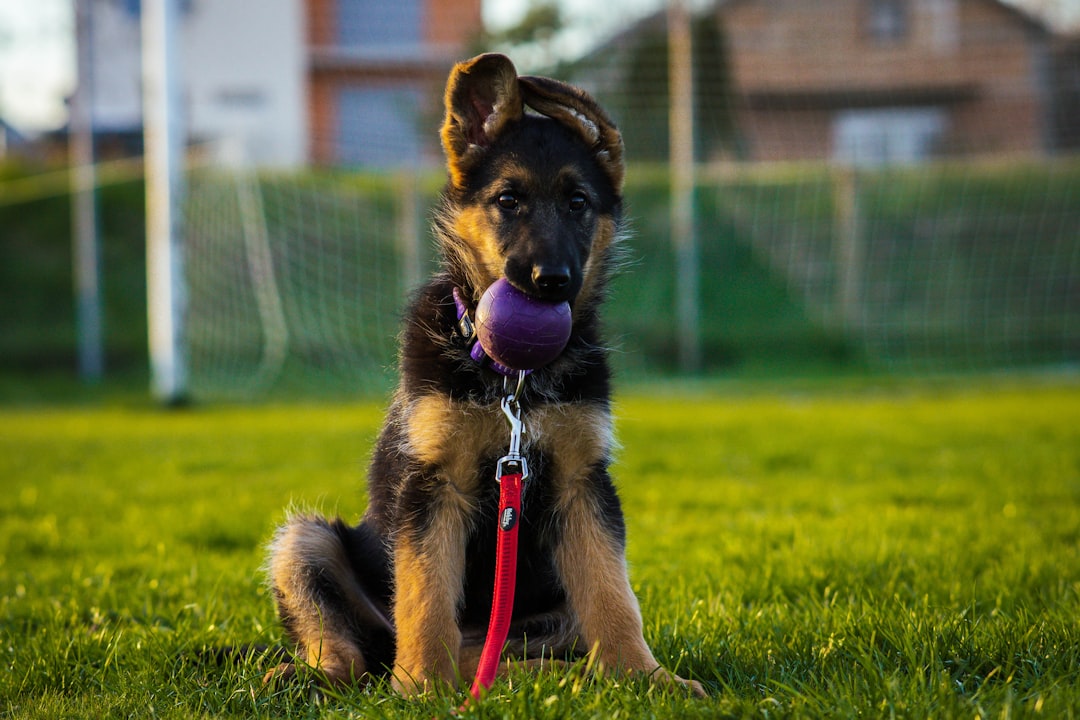
Key Takeaways
- Puppy training is essential for a well-behaved dog.
- Start training as early as possible for best results.
- Focus on basic commands like sit, stay, and come.
- Consistency and patience are key to successful training.
- Address common challenges like biting and barking early.
Complete Guide to Puppy Training
Ignoring the importance of early puppy training can lead to a lifetime of behavioral issues. Without proper guidance, puppies can develop habits like excessive barking or destructive chewing that are difficult to correct later. This puppy training overview will help you understand why starting early is crucial and how it directly impacts your puppy's development and your household harmony.
Introduction to Puppy Training
Puppy training is essential for a well-behaved dog. The earlier you start, the better the results. Training should begin as soon as you bring your puppy home, typically between 8 to 12 weeks of age. During this critical period, puppies are most receptive to learning and adapting to new environments. Early training prevents the development of unwanted behaviors and sets the foundation for a lifetime of good habits.
Benefits of Early Training
Starting training early offers numerous benefits. It not only helps in establishing a strong bond between you and your puppy but also ensures that your puppy learns to follow basic commands and socializes well with other dogs and humans. Puppies trained early are less likely to develop anxiety or aggression issues. This phase is crucial as it shapes their behavior and temperament for the rest of their lives.
Basic Commands to Teach
Focus on basic commands like sit, stay, and come. These commands form the foundation of effective communication between you and your puppy.
- Sit: This is often the first command taught and helps in managing your puppy's behavior in various situations.
- Stay: Teaching your puppy to stay can prevent them from running into dangerous situations.
- Come: This command is vital for safety, ensuring your puppy returns to you when called.
Consistency and patience are key to successful training. Use positive reinforcement techniques, such as treats and praise, to encourage your puppy's progress.
Common Challenges and Solutions
Training a puppy is not without its challenges. Common issues like biting and barking need to be addressed early. Puppies often bite during play, which can be corrected by redirecting their attention to toys. Excessive barking can be managed by identifying triggers and using commands to quiet your puppy. Addressing these challenges early prevents them from becoming ingrained habits.
Tips for Successful Training
For successful puppy training, remember these tips:
- Consistency: Stick to a regular training schedule and use the same commands and rewards.
- Patience: Puppies learn at different rates, so patience is crucial.
- Positive Reinforcement: Reward good behavior with treats, praise, or playtime.
By following these guidelines, you can ensure a smooth training process and a well-adjusted puppy.
Decide today to start your puppy's training journey. Early training leads to a well-behaved dog, reducing stress and enhancing the bond between you and your furry friend.
Frequently Asked Questions
Why is early puppy training important?
Ignoring early training can lead to behavioral issues later on.
What basic commands should I teach my puppy?
Start with commands like sit, stay, and come.
How can I manage my puppy's biting?
Redirect biting during play to appropriate toys.
What are some tips for successful puppy training?
Be consistent, patient, and use positive reinforcement.
Related Articles
- Why is Consistency Important in Puppy Training?
- What Age Should You Start Training Your Puppy?
- Can You Train a Puppy Yourself or Should You Hire a Professional?
- How to Teach Your Puppy Basic Commands
- Socializing Your Puppy: Essential Steps
- Risks of Inadequate Puppy Training
- Puppy Training vs. Adult Dog Training: Key Differences
- Puppy Training Classes vs. Home Training: Pros and Cons
- Potty Training Your Puppy: A Step-by-Step Guide
- Positive Reinforcement vs. Negative Reinforcement in Puppy Training
- What Are the Most Common Puppy Training Commands?
- Leash Training Your Puppy: A Comprehensive Guide
- How Long Does Puppy Training Take?
- Health Risks Associated with Poor Puppy Training
- Crate Training Your Puppy: Tips and Techniques
- Common Mistakes in Puppy Training and How to Avoid Them
- Puppy Potty Training: Complete Guide to House Training Success
Sources
Reviewed by Melissa Schalles, LVT