
DHA for Puppies: How Omega-3 Fatty Acids Drive Brain and Eye Development
Key Takeaways
- DHA accumulates in the brain and retina during fetal development and continues to be critical through the first 16 weeks postpartum
- Puppies fed diets supplemented with DHA show measurably better performance on cognitive and trainability tests in controlled studies
- ALA from plant sources like flaxseed converts to DHA at less than 5% efficiency in dogs — fish or algae-based DHA is significantly more bioavailable
- AAFCO does not currently mandate minimum DHA levels, making it a key differentiator to check on food labels directly
- Mother's milk is naturally high in DHA — puppies weaned before 6–8 weeks may have lower DHA status at adoption
- Fish oil supplementation can provide DHA but must be dosed carefully to avoid oxidation and excess omega-6 imbalance
DHA for Puppies: How Omega-3 Fatty Acids Drive Brain and Eye Development
When owners neglect to include DHA for puppies in their diet, they risk impairing critical aspects of cognitive and visual development. This oversight can lead to long-term deficits in learning ability and vision. The urgency to address this is immediate, as the early weeks of a puppy's life are when DHA has the most profound impact. Understanding the role of DHA is crucial for ensuring your puppy's optimal development. For a broader overview of essential puppy nutrients, DHA is a key component.
What DHA Is and How It Differs from Other Omega-3 Fatty Acids
DHA, or docosahexaenoic acid, is a type of omega-3 fatty acid that is integral to the development of the brain and retina in puppies. Unlike other omega-3 fatty acids like EPA (eicosapentaenoic acid) and ALA (alpha-linolenic acid), DHA is directly incorporated into the brain and eye tissues. While ALA can be found in plant sources such as flaxseed, its conversion to DHA in dogs is less than 5% efficient, making it a less reliable source. Thus, fish oil for puppies, which contains preformed DHA, is a more bioavailable option. For more on how DHA fits into a puppy's complete nutritional profile, consider the broader context of essential nutrients.
The Critical Window: When DHA Has the Greatest Impact on Development
DHA accumulates in the brain and retina during fetal development and continues to be critical through the first 16 weeks postpartum. This period is characterized by rapid growth and development, where DHA is essential for forming synapses and neural pathways. Puppies that receive adequate DHA during this window demonstrate significantly better cognitive abilities and learning outcomes. The natural presence of DHA in a mother's milk underscores its importance; puppies weaned before 6–8 weeks may miss out on this crucial nutrient, potentially leading to lower DHA status at adoption.
DHA and Neurological Development: What the Research Shows
Research consistently shows that puppies fed diets supplemented with DHA exhibit better performance on cognitive and trainability tests. These studies highlight the role of DHA in enhancing memory, problem-solving skills, and overall brain function. The mechanism behind this is DHA's ability to support synaptic plasticity and neurotransmission, which are fundamental to learning and memory. Without sufficient DHA, puppies may struggle with basic training and exhibit slower cognitive development compared to their DHA-supplemented counterparts.
DHA and Retinal Development: The Evidence for Vision Outcomes
DHA is a major structural component of the retina, and its presence is vital for optimal visual acuity. Studies indicate that puppies with adequate DHA intake have better-developed retinas, which translates to sharper vision and improved visual processing. This is particularly important for breeds that rely heavily on sight for tasks and activities. The absence of sufficient DHA during the critical developmental window can lead to suboptimal vision outcomes, affecting a puppy's ability to interact with its environment effectively.
Sources of DHA in Puppy Food: Fish Oil vs. Algae vs. Flaxseed
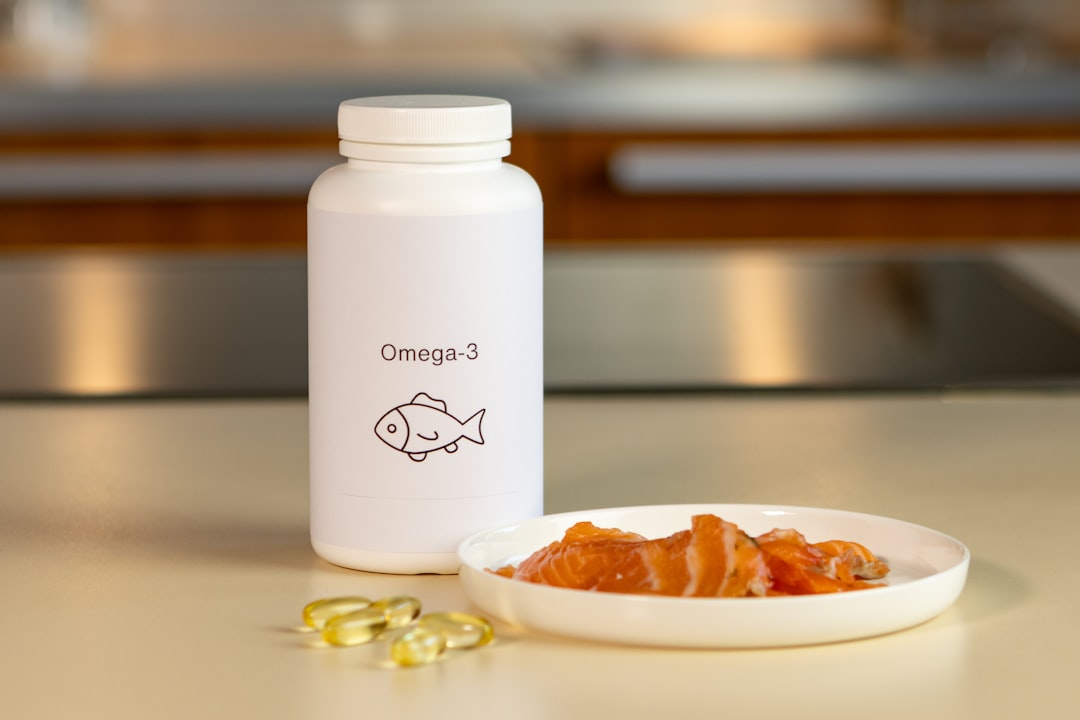
When evaluating sources of DHA in puppy food, it's crucial to consider bioavailability. Fish oil is a common and effective source of DHA, but it must be dosed carefully to avoid oxidation and an imbalance with omega-6 fatty acids. Algae-based DHA is another excellent option, as it provides a direct source of DHA without the risk of contaminants found in some fish oils. In contrast, flaxseed, which contains ALA, is less effective due to its poor conversion rate to DHA in dogs. Therefore, fish oil for puppies or algae-based supplements are preferable for ensuring adequate DHA intake.
How to Check Whether a Puppy Food Contains Adequate DHA
The Association of American Feed Control Officials (AAFCO) does not currently mandate minimum DHA levels in puppy food, making it imperative for owners to check labels directly. Look for foods that specifically list DHA content, often found in the guaranteed analysis section. A quality puppy food will highlight its DHA content, often derived from fish oil or algae. If the label does not specify DHA, consider supplementing with a trusted fish oil product, keeping in mind the need for careful dosing to maintain nutritional balance.
Conclusion
With the information provided, you can now make informed decisions about your puppy's diet. Choose foods or supplements that ensure adequate DHA intake to support cognitive and visual development. This decision will lead to measurable improvements in your puppy's trainability and vision, setting the foundation for a healthy, active life.
Frequently Asked Questions
What is DHA and why is it important for puppies?
DHA is a type of omega-3 fatty acid essential for brain and retinal development in puppies.
How does DHA affect puppy cognitive abilities?
Puppies fed DHA supplements show better performance in cognitive and trainability tests.
What sources provide DHA for puppies?
Fish oil and algae-based DHA are more bioavailable than ALA from plant sources.
At what age is DHA most critical for puppies?
DHA is crucial from fetal development through the first 16 weeks postpartum.
Related Articles
- Puppy Nutrition Explained: Essential Nutrients, Requirements, and What Drives Healthy Development
- What to Look for in Dog Food Labels for Puppies
- Signs of Poor Nutrition in Puppies: What to Look For and When to Involve a Vet
- Puppy Nutritional Requirements by Age: How Needs Change from Birth to 12 Months
- Puppy Gut Health: How Early Nutrition Shapes the Microbiome and Long-Term Immunity
- Puppy-Specific Formula vs. All Life Stages: Nutritional Differences That Actually Matter
- Nutritional Deficiencies in Puppies: Signs, Causes, and Long-Term Developmental Consequences
- Large Breed Puppy Nutrition: The Science Behind Controlled Growth and Skeletal Health
- How to Evaluate Puppy Food Nutrition Labels: Reading the Numbers That Actually Reflect Quality
- What Vitamins and Minerals Do Puppies Need for Healthy Development?
- How Much Protein Does a Puppy Actually Need?
- Do Puppies Need Nutritional Supplements If They Eat Complete and Balanced Food?
- Can Puppies Eat Human Food? What's Safe, What's Toxic, and What Just Adds Empty Calories
- The Risk of Over-Supplementing Puppies: When Extra Vitamins and Minerals Cause Harm
- Commercial vs. Homemade Puppy Diet: Nutritional Completeness and Real-World Trade-offs
- Animal Protein vs. Plant Protein for Puppies: Bioavailability, Amino Acids, and What the Research Shows
- Essential Nutrients Every Puppy Needs: Protein, Fat, Calcium, Phosphorus, and DHA
- Complete Guide to Feeding Your Puppy: Age-Based Nutrition Schedule
- Understanding Dog Food Nutrition Labels: A Complete Guide Extra 16
Sources
Reviewed by Melissa Schalles, LVT