
Grain-Free vs. Grain-Inclusive Dog Food Labels
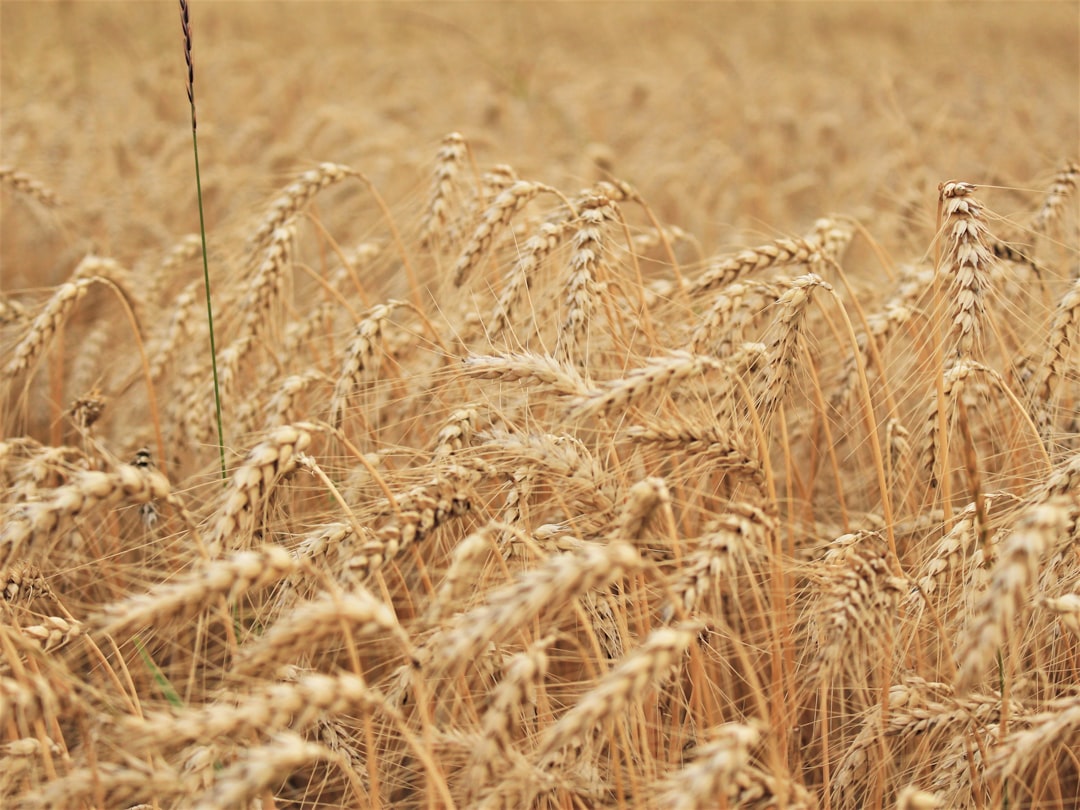
Key Takeaways
- Grain-free diets exclude wheat, corn, and other grains.
- Grain-inclusive foods can provide essential nutrients.
- Labels indicate whether grains are included or excluded.
- Consult with a vet to determine the best diet for your dog.
Grain-Free vs. Grain-Inclusive Dog Food Labels
Choosing the wrong dog food can lead to nutritional deficiencies, impacting your dog's energy levels and overall well-being. Many pet owners mistakenly rely solely on grain-free dog food labels, believing they are inherently superior. However, neglecting to understand the implications of these labels can result in imbalanced diets that affect your puppy's growth and vitality. The urgency to address this is paramount, as the right diet can make a significant difference in your dog's health today.
Understanding Grain-Free Diets
Grain-free diets have become increasingly popular among pet owners, largely due to the belief that they mimic a dog's ancestral diet. These diets exclude grains such as wheat, corn, and rice, often replacing them with alternative sources like potatoes or legumes. Proponents argue that grain-free options can benefit dogs with specific allergies or sensitivities to grains. However, it's crucial to recognize that not all dogs require such a diet, and removing grains without necessity might deprive them of valuable nutrients.
Benefits of Grain-Inclusive Foods
Grain-inclusive dog foods offer several nutritional benefits that are often overlooked. Grains are a source of essential nutrients, including carbohydrates, fiber, and certain vitamins and minerals. These components contribute to a well-rounded diet, supporting energy levels and digestive health. For many dogs, grain-inclusive diets can provide a balanced and complete nutritional profile, ensuring they receive the necessary elements for optimal health.
Label Differences and Ingredients
Understanding the differences in grain-free dog food labels versus grain-inclusive labels is vital for making informed decisions. Grain-free labels explicitly state the absence of grains, often highlighting alternative ingredients like sweet potatoes or peas. In contrast, grain-inclusive labels list grains among their ingredients, ensuring transparency about their presence. Reading these labels carefully can help pet owners determine whether grains are included or excluded, allowing them to choose the most suitable option for their dog's dietary needs.
Health Implications of Each Option
The choice between grain-free and grain-inclusive diets can have significant health implications for your dog. Grain-free diets, while beneficial for dogs with specific allergies, have been scrutinized for their potential link to heart disease, specifically dilated cardiomyopathy (DCM). On the other hand, grain-inclusive diets provide a balanced array of nutrients that support cardiovascular health and overall well-being. It's essential to weigh these considerations carefully, understanding that each dog's dietary needs are unique.
Choosing the Best Diet for Your Dog
Selecting the right diet for your dog involves more than just reading grain-free dog food labels. Consulting with a veterinarian is crucial to determine the best dietary approach tailored to your dog's specific health requirements. A vet can assess your dog's nutritional needs, considering factors such as age, breed, and health status, to recommend the most appropriate diet. Making an informed choice ensures your dog receives the nutrients they need, promoting a vibrant and healthy life.
Frequently Asked Questions
What are the key components of grain-free diets?
Grain-free diets exclude grains such as wheat, corn, and rice, often replacing them with potatoes or legumes.
What are the benefits of grain-inclusive dog foods?
Grain-inclusive foods can offer essential nutrients, including carbohydrates, fiber, and certain vitamins and minerals.
Why is it important to read dog food labels?
Reading labels helps determine whether grains are included or excluded, allowing pet owners to choose suitable options.
Related Articles
- Understanding Dog Food Nutrition Labels: A Complete Guide Extra 16
- Why Are Some Dog Food Labels Hard to Understand?
- Understanding Dog Food Nutrition Labels: A Complete Guide
- Understanding Dog Food Caloric Content
- Risks of Misinterpreting Dog Food Labels
- Potential Allergens in Dog Food Labels
- Organic vs. Conventional Dog Food Labels
- Interpreting Dog Food Feeding Guidelines
- How to Identify High-Quality Dog Food from Labels
- How to Read Dog Food Ingredient Lists
- How Do Dog Food Labels Indicate Special Diets?
- Deciphering Guaranteed Analysis on Dog Food Labels
- The Dangers of Artificial Additives in Dog Food
- What Does 'Complete and Balanced' Mean on Dog Food Labels?
- Comparing Dry vs. Wet Dog Food Nutrition Labels
Sources
Reviewed by Melissa Schalles, LVT